
Trail Running in the Mining Basin: a Land of Runners, Slag Heaps and Character
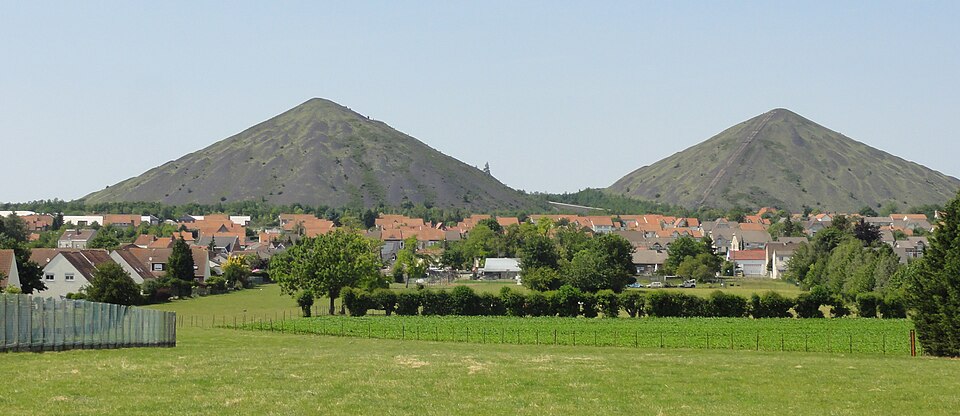
When people think of trail running, they usually picture the mountains. Yet between Lens, Béthune, Liévin, Wingles, Rieulay and the gateway to the Artois hills, another great trail-running territory has emerged: the Nord–Pas-de-Calais Mining Basin. Here, slag heaps shape the skyline, former mining railways link towns, and woodland and mining-subsidence lakes create surprising green spaces.
This is not a miniature mountain range. It is trail running in its own right: short but steep climbs, occasionally loose descents, wind, mud and wide-open views. It is an honest terrain that builds both strong legs and a strong mind. Based in Aix-Noulette, right in the heart of the Mining Basin, Tripp Sport supports runners who train on these paths every week—from their first off-road race to more ambitious goals.
Slag heaps that change the way you run
On paper, the elevation gain can look modest. In reality, successive climbs, changing surfaces and frequent restarts require constant attention. A slag-heap ascent is rarely run like a road hill: the gradient, loose shale and stones demand controlled effort.
This terrain develops key trail-running skills:
- quicker foot placement and a more responsive stride;
- strength in the calves, glutes and thighs;
- the ability to switch efficiently between running and power hiking;
- confidence on descents and turns;
- resilience in wind, rain and mud.
The former mining railways, known locally as cavaliers, add faster and smoother sections. They are ideal for building endurance, extending a route and recovering between hillier sections. That variety is what makes the Mining Basin so valuable: within a few kilometres, one run can move from a wide, fast path to a climb where every step matters.
A living heritage beneath your shoes
Running here also means moving through history. The Nord–Pas-de-Calais Mining Basin has been a UNESCO World Heritage cultural landscape since 2012. Slag heaps, mining estates, former pit sites, transport infrastructure and lakes form a landscape first shaped by coal extraction and now enjoyed by local people, visitors and athletes.
That heritage changes the feel of a run. From the higher points, you see the distinct silhouettes of slag heaps, mining towns and church spires stretching across the plain. These are not simply metres of climbing recorded on a watch: they are places to discover, share and protect.
The Mining Basin’s key trail-running spots
There is no single “Mining Basin trail”. Instead, there is a network of great places to combine according to your fitness, available time and current conditions. The four Terre de Trail stations around Lens-Liévin are the best starting point: they offer signed routes at several levels and downloadable GPX tracks.
| Spot | What it is best for | Suitable for |
|---|---|---|
| Souchez / Notre-Dame-de-Lorette | Artois hills, Vimy woods and rolling endurance | From a first 10 km to a 43.5 km long run |
| Liévin / Vivalley – Pinchonvalles | Ridges, restarts and changing footing | Intermediate and experienced runners |
| Noyelles-sous-Lens – Arena Terril Trail | Technique, hills, strength and footwork | Beginners, clubs and focused sessions |
| Wingles – Parc Marcel Cabiddu | Flowing paths, easy endurance and tempo | Beginners through to longer runs |
| Loos-en-Gohelle – Base 11/19 | Iconic twin slag heaps and short elevation | All levels, with respect for the site |
| Haillicourt / Ruitz – Pays à Part | Climbs, stairs and panoramic views | Hill work and nature runs |
| Oignies – Slag Heap 110 / 9-9bis | Running and power hiking on accessible paths | Introduction and regular training |
| Rieulay / Douaisis | Slag heaps, lakes and exposed terrain | Endurance and outdoor exploration |
| Raismes – Porte du Hainaut / Saint-Amand forest | Forest relief and longer, wilder outings | Trail preparation and time on feet |
Souchez, Notre-Dame-de-Lorette and the Artois hills
Starting at the Souchez 14–18 Memorial Centre, this Terre de Trail station links Ablain-Saint-Nazaire, Notre-Dame-de-Lorette, Vimy woods and Olhain. Four signed routes let you choose 10 km, 23 km, 26.5 km or 43.5 km. It is the most complete area for preparing a longer trail close to home: natural elevation, woodland, open ground and a real need to manage pace and hydration over time.
Liévin, Vivalley and Pinchonvalles
The Pinchonvalles slag heap, between Avion, Liévin, Givenchy-en-Gohelle and Angres, is a local classic. Its ridges, length and wooded surroundings provide a real sense of adventure. The Liévin / Vivalley station offers 10 km, 14.5 km and 21.5 km routes around Pinchonvalles and the Parc de la Glissoire. It is a brilliant place to learn how to stay light on changing surfaces and restart after a descent.
Arena Terril Trail, Noyelles-sous-Lens
Built on slag heap 94, the Arena Terril Trail is a rare training facility: free access, a multi-surface track, fitness equipment, a viewpoint and dedicated uphill work. Its “infernal staircase” has roughly 140 steps over 250 metres, gaining around 33 metres. The station also has 7.5 km and 15 km routes, a 245-metre climb and a 660-metre challenge. For practising trail skills with a clear purpose, it is the area’s most structured spot.
Wingles and Parc Marcel Cabiddu
The Wingles station’s 7.5 km, 11 km and 22.5 km routes are ideal for easing into trail running. Parc Marcel Cabiddu and the surrounding paths combine smoother tracks, changes of pace and nature sections without travelling far from Lens or Béthune. It is a good choice for a group run, a return from injury or a tempo session on softer ground.
Loos-en-Gohelle, Haillicourt, Oignies and beyond
The twin slag heaps at Loos-en-Gohelle, beside the Base 11/19, are among the Mining Basin’s most recognisable sights. They welcome runners and trail events, but they are also a biodiversity hotspot. Use only authorised paths and accept temporary closures when needed.
Near Béthune and Olhain, the twin Pays à Part slag heaps at Haillicourt and Ruitz rise to around 180 metres. Their viewpoints and trails at the foot of the heaps make them a favourite for short climbing work and power hiking. At Oignies, slag heap 110 at the 9-9bis site is well suited to running, Nordic walking and accessible sessions. Further east, Rieulay, the Douaisis landscape, Porte du Hainaut and Saint-Amand forest broaden the options for endurance runs—provided you plan your route and respect each site’s rules.
Tripp Sport advice: start intelligently on slag heaps
Do not try to run every climb on your first outing. Power hiking is a trail-running skill, not a failure. On a steep gradient, walk purposefully, hands on thighs if necessary, and you will often be more efficient than forcing an untidy run. Save enough energy to restart at the top and stay alert on the descent.
For a first session, choose 45 minutes to one hour with one main climb. Combine a flowing path, a controlled ascent and an easy return. Once your legs adapt, gradually add elevation or a second climb.
On the way down, look a few metres ahead, keep your knees supple and raise your cadence rather than overstriding. On wet shale or stones, avoid hard braking: it overloads the quadriceps and increases the chance of slipping.
What equipment for trail running in the Mining Basin?
Grip and stability are the priorities. Trail shoes with a suitable lug pattern help on muddy climbs, shale descents and wet ground, but the choice must match the route. A mostly compact path does not require the same outsole as a greasy slag heap after several days of rain.
Also take technical socks, a lightweight waterproof or windproof layer, water for any run over an hour or in mild weather, a headlamp for late sessions and a charged phone with a known route. At Tripp Sport, a running gait analysis by appointment helps match your shoes to your actual terrain, running level and goals.
The Mining Basin is a true land of runners: demanding, welcoming and full of character. Respect the trails, run at your own pace and enjoy an adventure that can start just a few kilometres from Lens, Béthune or Aix-Noulette.