
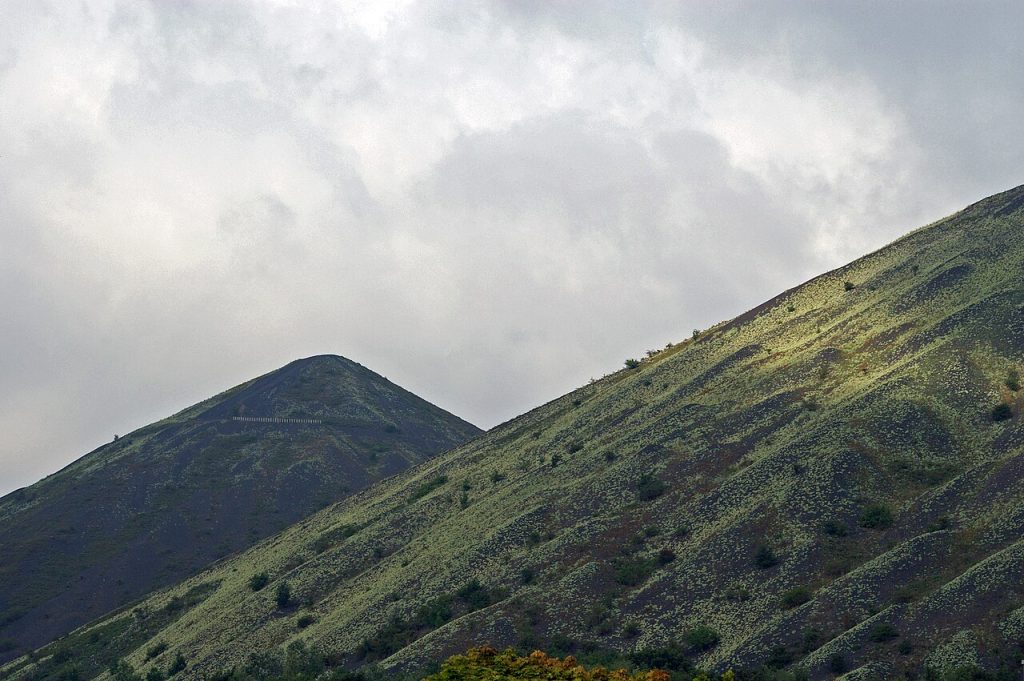
A wet towpath, loose shale and sticky mud call for different decisions. Start with the stretch that causes trouble and ask how much of your usual route it represents.
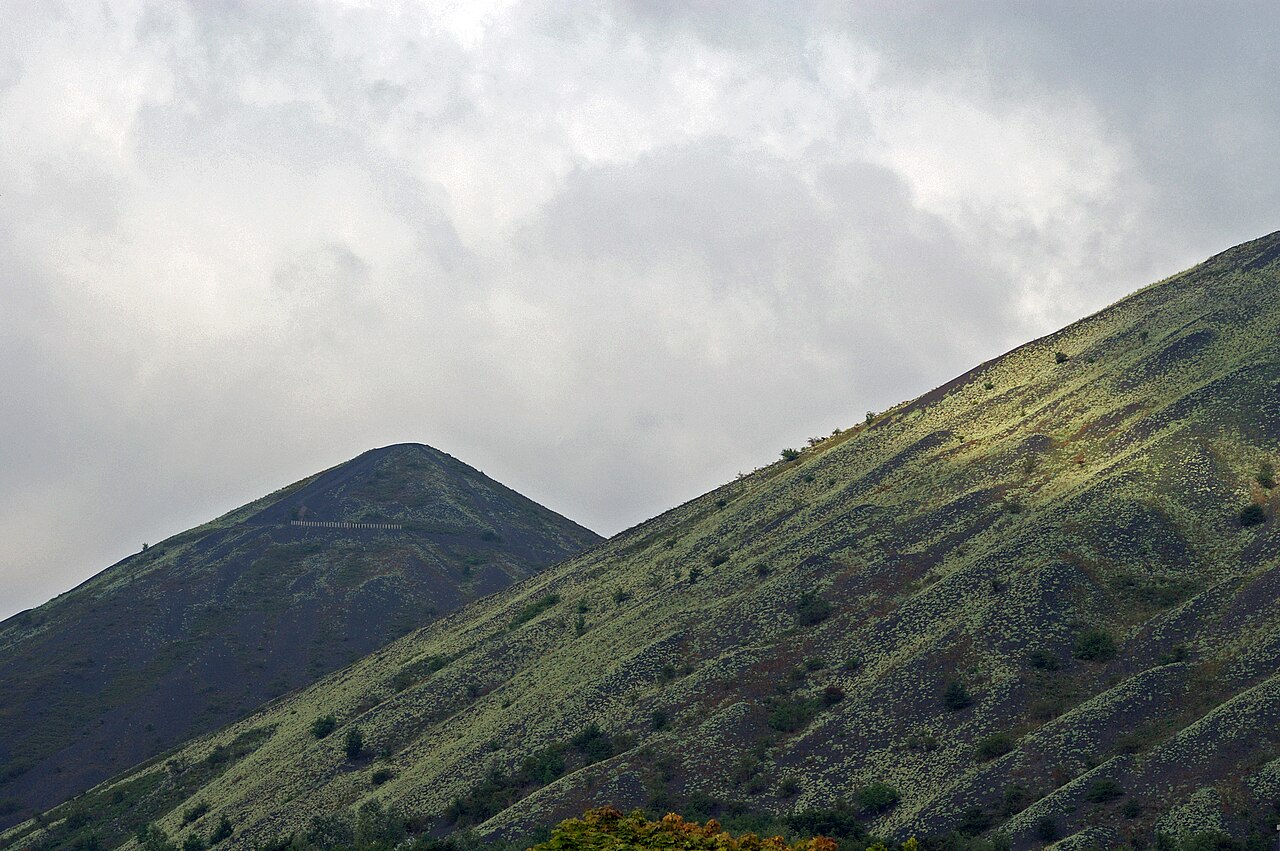

Three surfaces to look at
Wet compacted paths
If your current shoes feel predictable on firm, gentle paths, keep them for that run. If you often combine pavement and paths, try a road-to-trail shoe and take a few steps on a hard floor.
Wet shale
Loose fragments can roll underfoot. Shorten your stride and walk if the descent forces you to brake hard. When trying shoes, check heel hold and toe room. Taller lugs alone do not solve either problem.
Sticky mud
If mud fills the grooves, look at the spacing between lugs as well as their depth. For one short muddy section, slowing down or choosing another route may be enough. Stay on permitted paths.
A puddle first, then wet chalk
You can walk around the puddle, but the next descent is narrow and slick. If footing is doubtful, slow down or choose another route. On an easy section, notice whether the outsole slipped or your foot shifted inside the shoe. Those sensations point to different things to compare.
- Soft mud: check for build-up
- Wet hard surface: look at the outsole
- Exposed slope: take the easier option
Before replacing your shoes
On an open, gentle section, notice whether you lose confidence on landing, pushing off or braking. Check whether mud covers the tread or whether it looks worn. Treat those clues as a starting point, since one run cannot isolate the cause.
Two shoes to compare
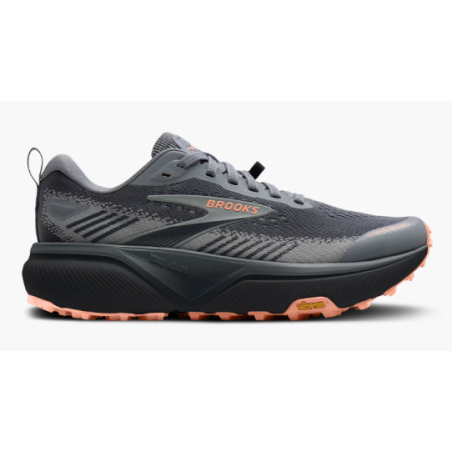
Brooks Cascadia 20 · 160 €
For outings mainly on trails.
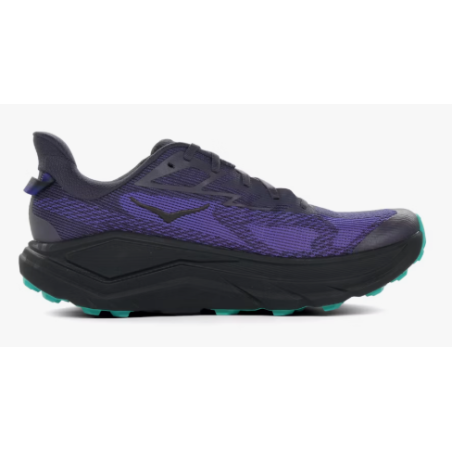
Hoka Challenger 8 · 150 €
For runs combining pavement and firm paths.
Prices shown online on 4 November 2026. Check the current price and sizes before ordering.