




































What running shoe drop should you choose?
Heel-to-toe drop is the difference in height between the heel and forefoot of a running shoe. It is an important part of shoe geometry, but there is no universally optimal drop for every runner.
Your running habits, sensations, previous footwear, training and the overall geometry of the shoe should all be considered.
Low, medium or high drop?
Changing heel-to-toe drop can affect running biomechanics and the distribution of mechanical loads. This does not mean that a lower or higher drop is inherently better or more protective against injury.
In a randomized trial involving 553 recreational runners followed for six months, overall injury risk was not significantly different between shoes with 10, 6 and 0 mm drops. Results did, however, vary according to recent running experience.
The practical message is simple: do not choose a running shoe based on drop alone.
Your previous footwear matters
Runners accustomed to one type of shoe geometry may notice a substantial change when moving to a very different design. Significant changes are therefore best approached progressively while monitoring comfort and tolerance.
The same drop does not mean the same shoe
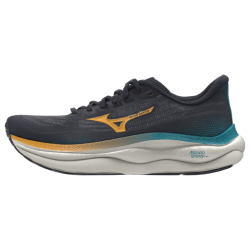
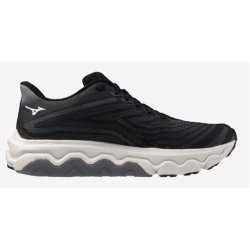
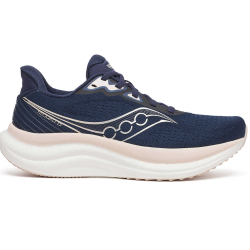
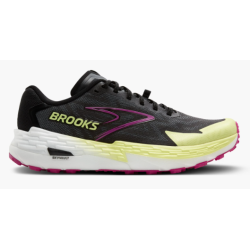
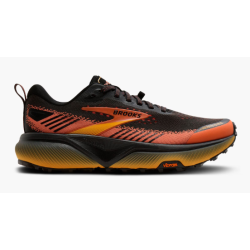
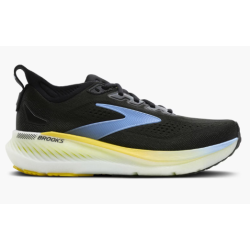
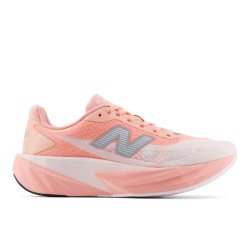
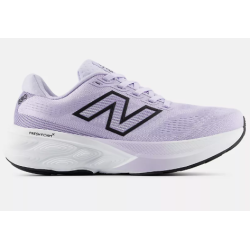
Stack height, cushioning, stiffness, rocker, platform width, stability, weight and overall geometry also influence how a running shoe feels.
Two shoes with exactly the same 8 mm drop can therefore provide very different running experiences.
Learn more about heel-to-toe drop in running shoes →
The Tripp Sport approach
At Tripp Sport, we consider drop alongside your running habits, previous footwear, sensations, goals and the comparison of several shoe models.
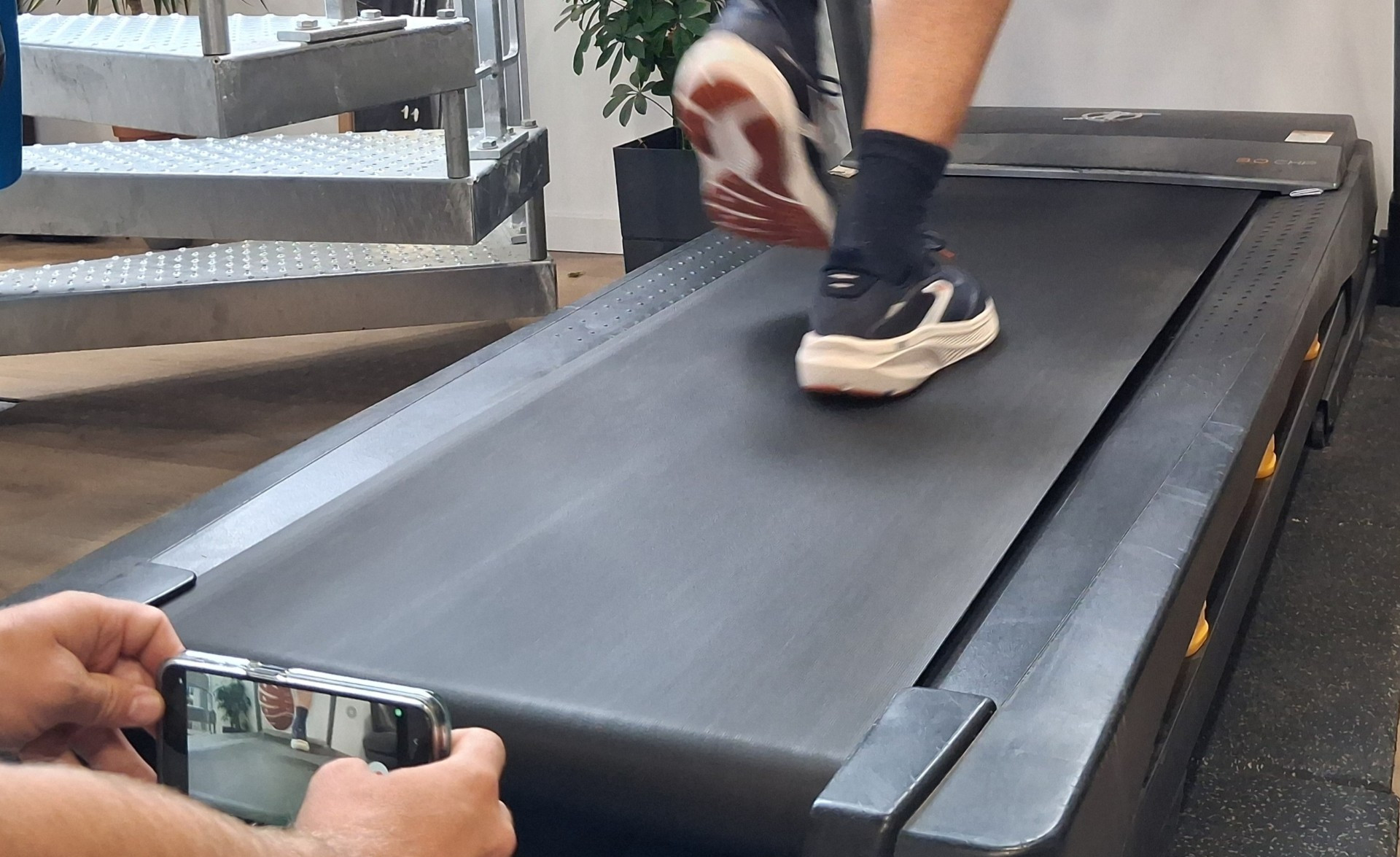
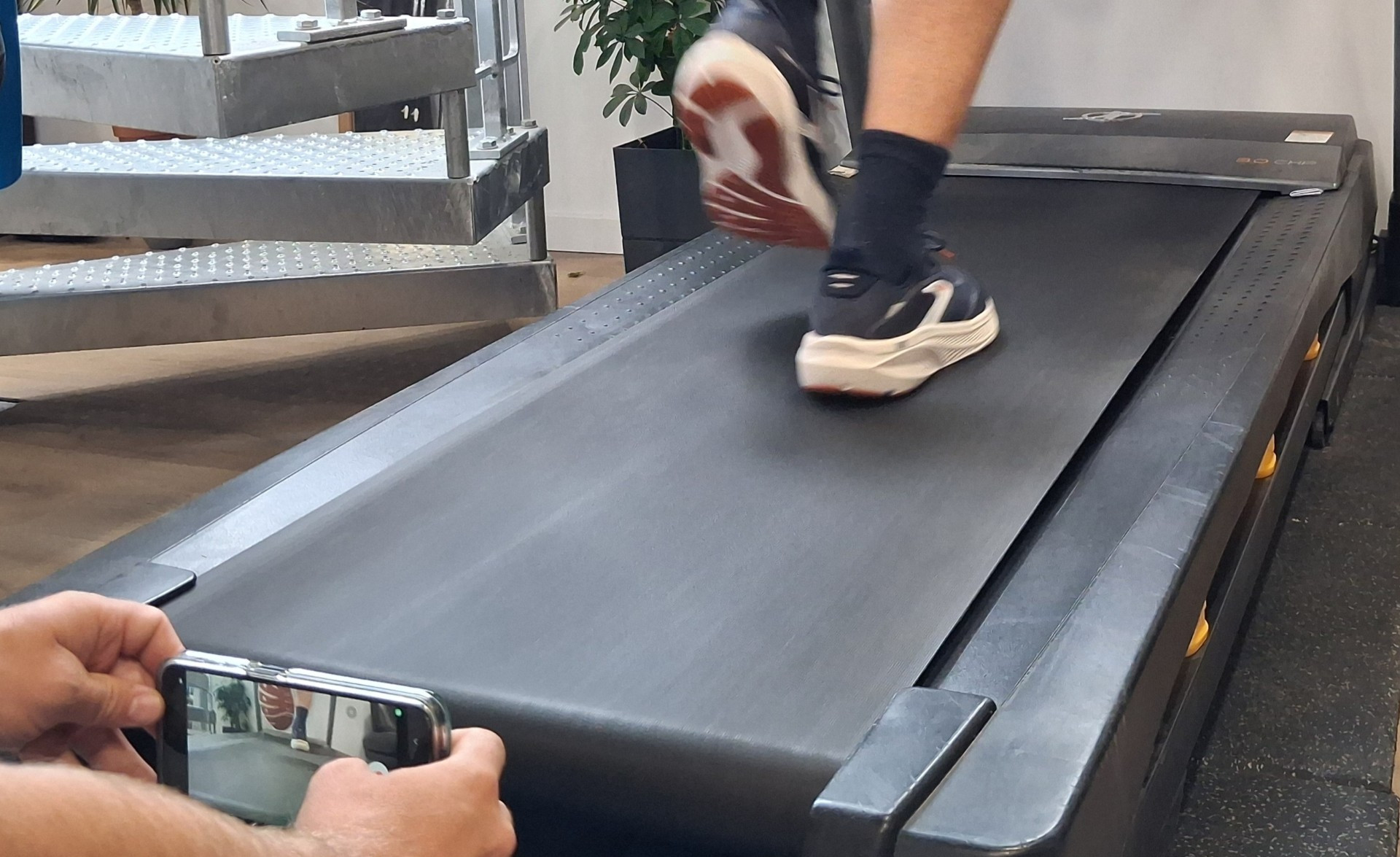
Gait analysis can provide additional observations during this comparison. It does not calculate a perfect drop, but can complement your sensations and the shoe-fitting process.
Discover how gait analysis works at Tripp Sport →
Scientific references
Malisoux L et al. Influence of the Heel-to-Toe Drop of Standard Cushioned Running Shoes on Injury Risk in Leisure-Time Runners. American Journal of Sports Medicine. 2016.
Sun X et al. Systematic Review of the Role of Footwear Constructions in Running Biomechanics. Journal of Sports Science & Medicine. 2020.