
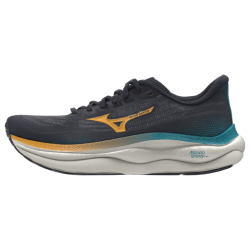
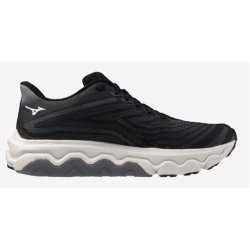
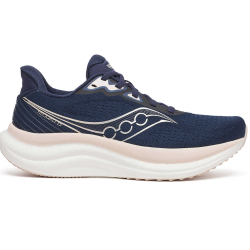
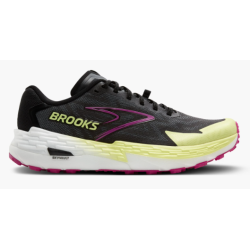

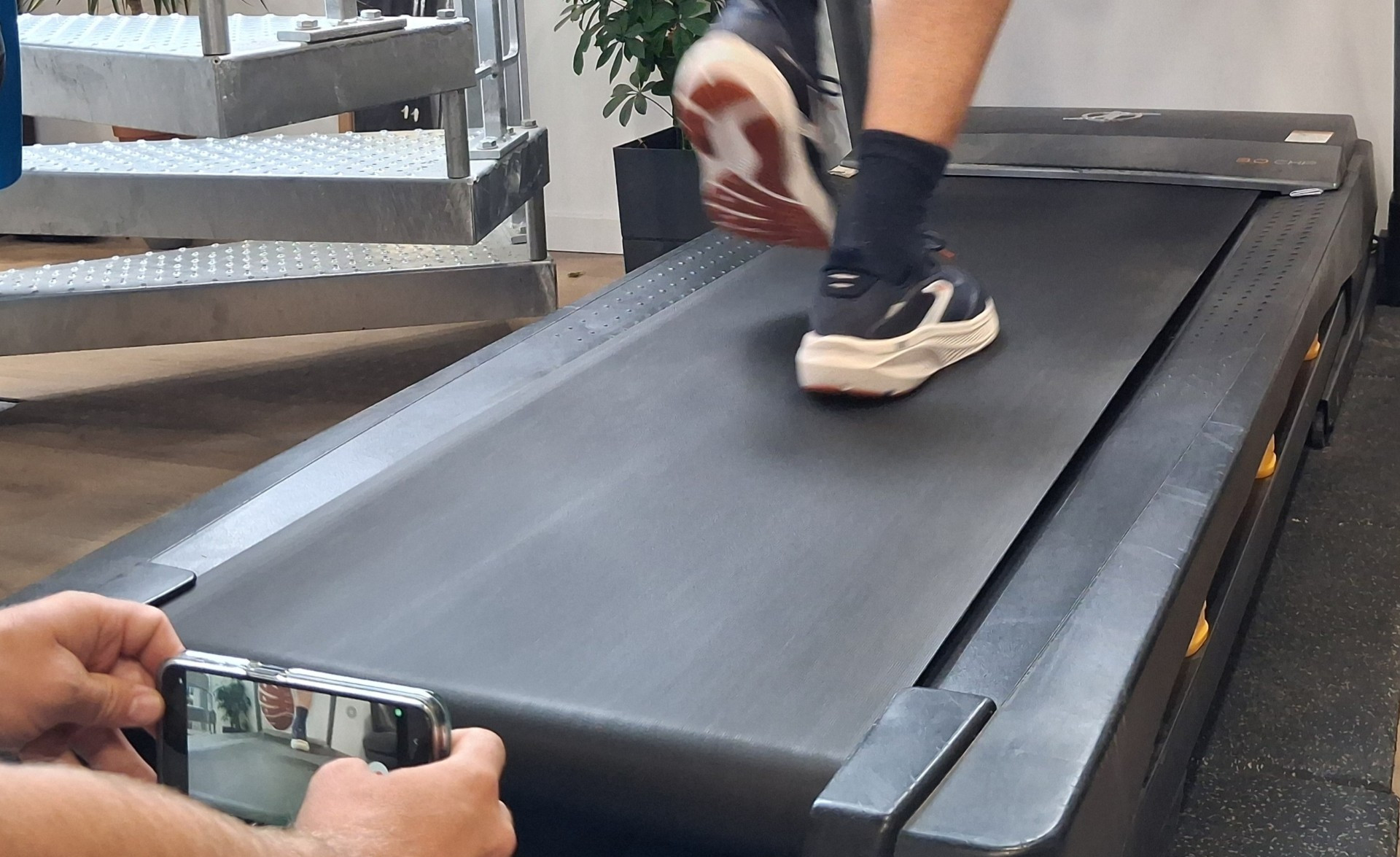

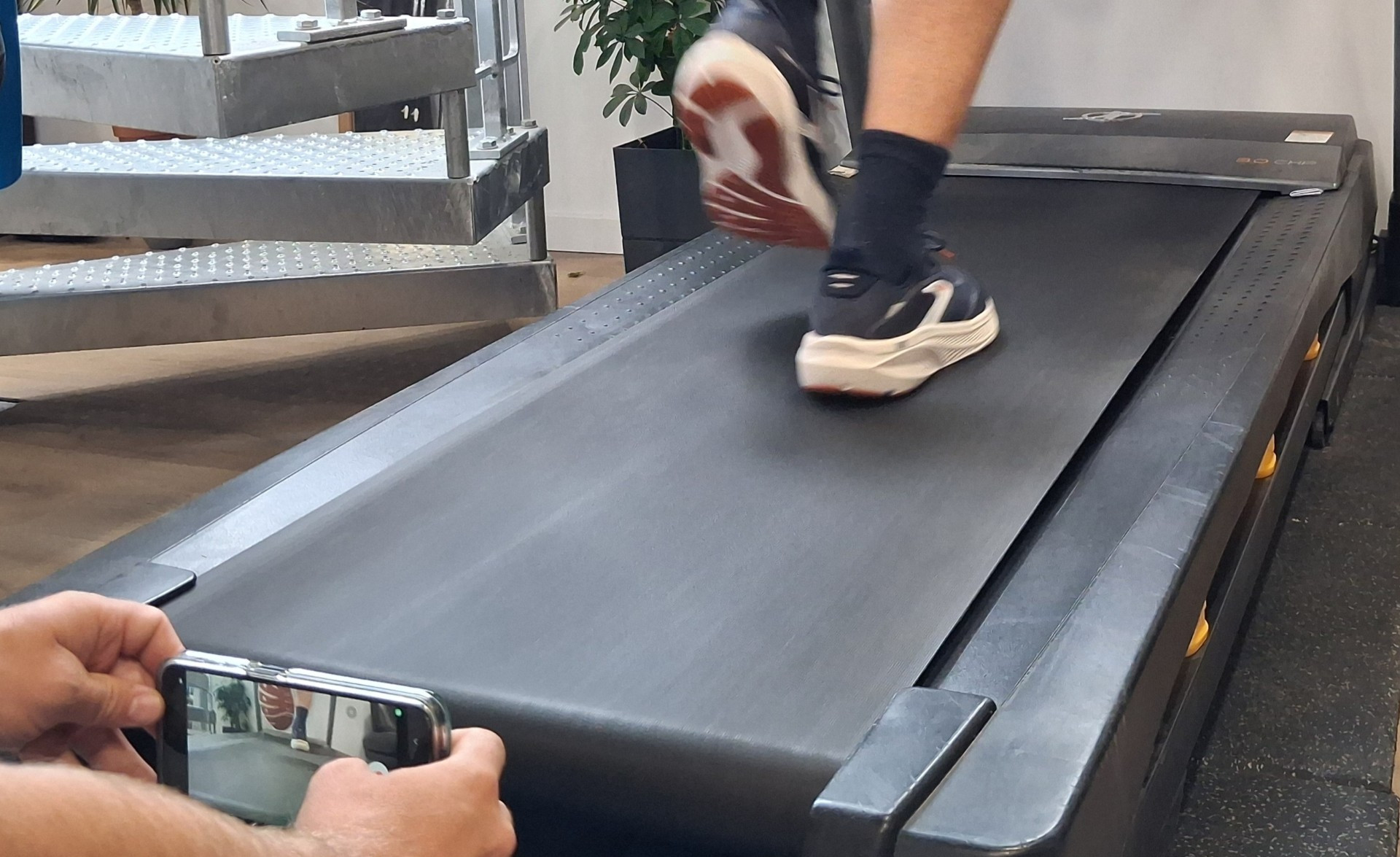










































There is no universal mileage at which running shoes must automatically be replaced. 500 km, 700 km or 1,000 km are only guidelines: the actual lifespan of a shoe depends on the model, the runner, how it is used, the terrain and how it feels as the kilometres add up.
A shoe may still look perfectly fine on the outside even though its performance has already changed.
At Tripp Sport... We therefore recommend looking beyond mileage alone. The condition of the shoe, its cushioning, stability, wear and, above all, how it feels while running often provide much more useful information.How many kilometres can you run in a pair of running shoes?
A typical running shoe is often said to last around 800 to 1,000 km.
This range can be a useful guideline, but it should not be treated as a fixed rule.
Several factors come into play:
- the shoe's construction and materials, including the type and density of the foam;
- the runner's weight and biomechanics;
- how frequently the shoes are used;
- terrain and running pace;
- weather conditions;
- whether several pairs are rotated;
- how the shoes are cared for and stored.
Two runners using exactly the same model can therefore have very different experiences of its lifespan.
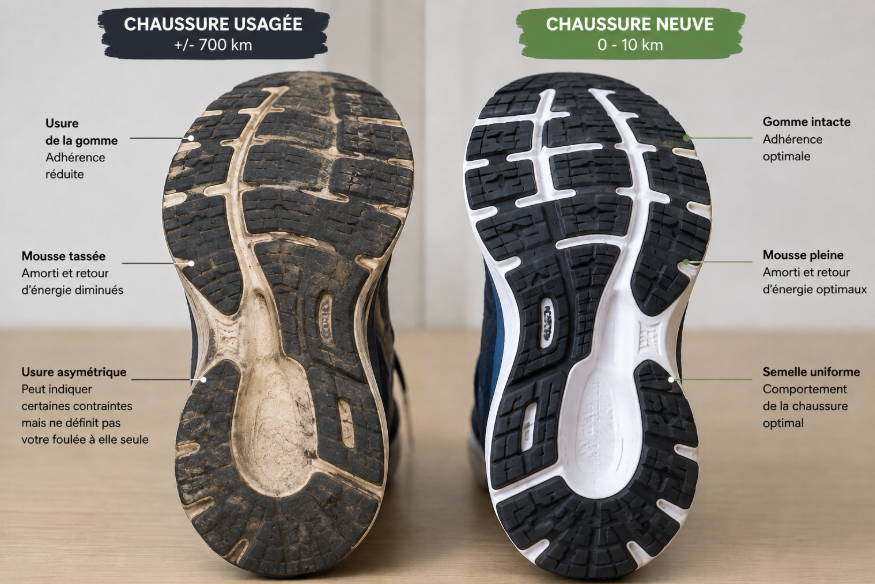 At Tripp Sport...
We avoid giving one universal figure for deciding when a running shoe has reached the end of its life.
At Tripp Sport...
We avoid giving one universal figure for deciding when a running shoe has reached the end of its life.
Mileage is a useful guideline, but it only tells part of the story.
What matters most to us is considering several factors together:
- the number of kilometres covered;
- how the shoe is used;
- its overall condition;
- any deformation of the sole;
- wear on the outsole rubber;
- changes in how the shoe feels;
- and the runner's overall biomechanics.